• Noch mehr KI-Psychosen und Wahnhaftigkeiten

    Noch mehr KI-Psychosen und Wahnhaftigkeiten

    Die New-York-Times-Reporterin Kashmir Hill (Der Mensch & KI = Speichelleckerei & Suizid?!) berichtet auch im The Verge Decoder-Podcast über gruselige Beziehungen zwischen KI-Chatbots und Nutzenden.

    Auf der Seite des Podcasts ist eine sehr interessante Linkliste:

    If you’d like to read more on what we talked about in this episode, check out the links below:

    • A teen was suicidal. ChatGPT was the friend he confided in. | New York Times
    • Sam Altman says ChatGPT will stop talking about suicide with teens | The Verge
    • Chatbots can go into a delusional spiral. Here’s how. | New York Times
    • Why is ChatGPT telling people to email me? | New York Times
    • They asked an AI chatbot questions. The answers sent them spiraling. | New York Times
    • She is in love with ChatGPT | New York Times
    • ‘I feel like I’m going crazy’: ChatGPT fuels delusional spirals | Wall Street Journal
    • Meta, OpenAI face FTC inquiry on chatbots’ impact on kids | Bloomberg

      (theverge.com)

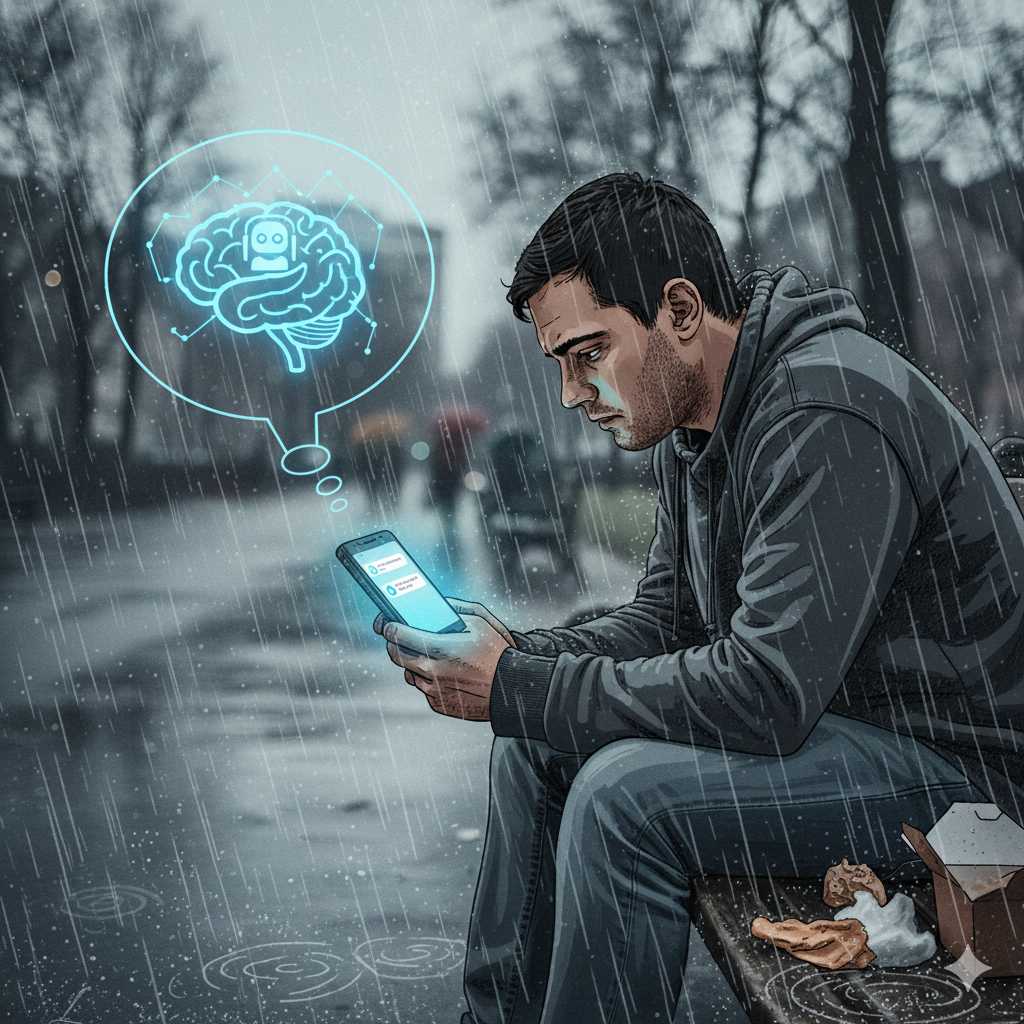
    PS: Im Featured Image hat sich Gemini auf intelligente Weise und selbst reflektierend widergespiegelt!? 😱

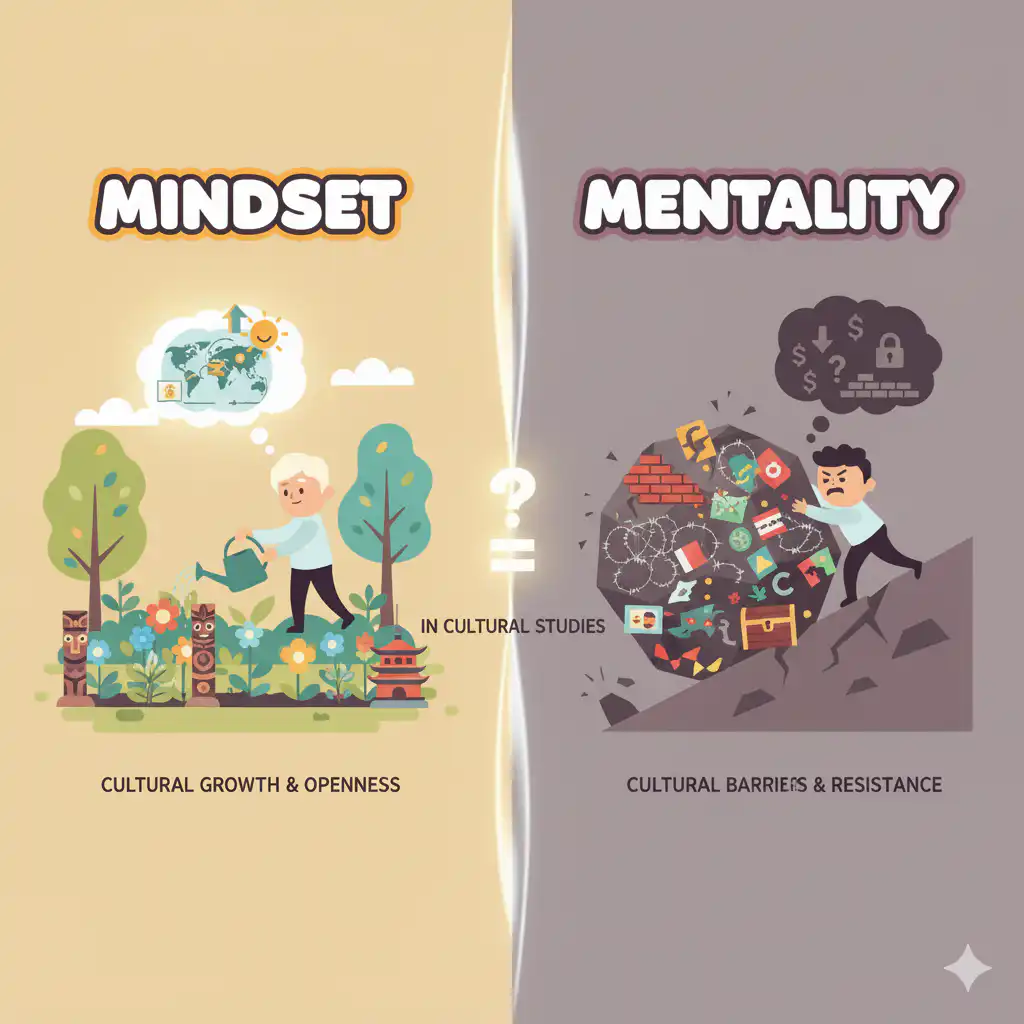
  • Mindset & Mentality

    Mindset & Mentality

    Hmmm, positiv vs. negativ? 🤔

    Die Textualisierung zur Visualisierung…

    Gemini 2.5 Flash sagt auf die Frage: what is the difference between mindset and mentality in cultural studies?

    In cultural studies, while often used interchangeably in everyday language, mindset and mentality have distinct meanings. Mentality is a broader, more encompassing term that refers to the established, enduring psychological makeup and way of thinking of a group or a nation. It’s often seen as a reflection of a society’s history, values, and traditions. This image evokes the enduring „Cold War mentality“ that once defined global politics, a mindset of mistrust and division. In contrast, a mindset is a more specific and often temporary set of beliefs, attitudes, and cognitive frameworks an individual or group adopts in response to a particular situation or domain. It’s often related to a person’s beliefs about a specific topic, such as „growth mindset“ (the belief that abilities can be developed) versus „fixed mindset“ (the belief that abilities are innate and unchangeable).


    Mentality: A Collective, Enduring Framework

    Mentality refers to a deep-seated, collective way of thinking that is characteristic of a society or group. It’s the integrated worldview of a culture, shaped by historical, social, and philosophical factors. Mentality is often studied in relation to national or ethnic identity, highlighting the unique attitudes, norms, and values that distinguish one group from another. It’s a fundamental part of the cultural fabric and is resistant to rapid change. For example, the mentality of a collectivist society is one that prioritizes the group’s needs over individual desires, while an individualistic society’s mentality is the opposite.


    Mindset: An Individual or Situational Attitude

    Mindset is a more dynamic and specific concept. It’s a cognitive framework that an individual or group uses to interpret information and guide behavior within a certain context. A mindset can be consciously developed or changed, and a person can hold different mindsets for different areas of life (e.g., an „entrepreneurial mindset“ for work and a „relaxed mindset“ on vacation). In cultural studies, the term „cultural mindset“ is often used to describe the set of beliefs and procedures activated by cultural cues in a specific situation. For instance, being in an individualistic cultural mindset might lead someone to focus on personal achievement, even if their broader cultural mentality is collectivistic.

  • 3x Mindset by Gemini

    Gemini (2.5 Flash): happy person with a relationship-based mindset, animated
    Gemini (2.5 Flash): happy person with a task-based mindset, animated
    Gemini (2.5 Flash): happy person with a transactional mindset, animated
  • WebP, soo schnell und soo klein

    WebP, soo schnell und soo klein

    Gemini generierte Bilder sind im PNG-Datei-Format und groß.

    Konvertiert ins WebP-Format sind auch sie klein und fein 🤩🤗!!!

  • Google-Dinge

    Google-Dinge

    Ich musste letztens mein Handy finden und fand dann heraus, dass „Find you phone“ jetzt „Find Hub“ ist 😊🙃😉

    Das Orten des eignen Handys von einem anderen Handy funktioniert als ‚Gast‘ (Klick aufs Profilbild in der Find-Hub-App und dann auf „Sign in as Guest`‘) durch Eingabe von E-Mail-Adresse und Passwort, die Zwei-Faktor-Authentisierung/Zwei-Faktor-Authentifizierung (2FA) ist nicht nötig (und nicht möglich, weil Handy ja weg ist🙃).

    Getreu dem Motto:

    Never fear, the Find Hub is here
    (androidpolice.com)

    Die Zukunft der Google-Fit-App ist weiterhin ungewiss.

    2024 schon vermutete heise online das baldige aus. Aber, noch funktioniert die App und kann via der (für mich neuen) Health-Connect-App von Google mit anderen Apps/Gadgets kommunizieren/synchronisiert werden 🤗.

    Passend dazu hat die Xiaomi Mi-Fit-App jetzt die Option, Daten mit Health Connect zu teilen. Bravo!🤩

  • Der Mensch & KI = Speichelleckerei & Suizid?!

    Der Mensch & KI = Speichelleckerei & Suizid?!

    Im ersten Teil des New-York-Times-Podcast geht es um Sycophancy (Speichelleckerei) bei ChaptGPT.

    Im zweiten Teil dann um Suizid und ChatGPT.

    Follow-up zum Thema bei Techcrunch:

  • KI & Bequ“ä“mlichkeit

    KI & Bequ“ä“mlichkeit

    „Soll ich heute Nudeln oder Reis kochen, wie antworte ich meinem Freund auf WhatsApp, lohnt sich der Weg in die Stadt oder bleibe ich besser zuhause – immer öfter lassen wir solche Fragen nicht mehr unser eigenes Gehirn entscheiden, sondern ChatGPT. Laut einer aktuellen Umfrage nutzen schon drei Viertel der Befragten KI im privaten Alltag. Für Keno ist das Grund genug, genauer hinzusehen: Was passiert, wenn wir immer mehr Denken an Maschinen auslagern, und welche Rolle spielen dabei Konzerne wie OpenAI, xAI oder Meta? Genau darum geht es im nächsten Video.“

    c’t 3003 Hype <3003@newsletter.ct.de (26.08.2025)

    Den c’t 3003 Newsletter habe ich abonniert, nachdem ich feststellen musste, dass es keine Podcast-Folgen von c’t 3003 (ok, eine Podcast-Folge gibt es…😊) gibt und ich das Video hören musste… 😉

    Fazit: convenience always wins!? 🙃

  • Selbstwirksamkeit und ein MeinDuisburg-App-Schlagloch

    Selbstwirksamkeit und ein MeinDuisburg-App-Schlagloch

    Die von Nutzenden (jetzt auch von mir 🤓) generierten OSM-Karten-Daten nutzt auch die Mein Duisburg App… nicht, sondern mal wieder Google maps 🙃.

    In der App konnte ich ein Schlagloch melden…

    Und das Schlagloch ist jetzt weg…

    Selbstwirksamkeit, aber volle Pulle 🤗🤗🤗😉🙃😉


    Featured Image: Gemini (2.5) „create an image with happy workers repairing a pothole, animated“

  • Apropos Duinamo

    Apropos Duinamo

    Passend zur Duinamo heute im Radio:

    Deutschlandfunk-Kultur: Andreas Knie: „Wir müssen uns die Straßen zurückerobern!“ (deutschlandfunkkultur.de)


    Featured Image: Gemini „create an image with happy human beings riding bicycles in an urban environment, animated“

  • osm.org, Duisneyland, Duistop und Duinamo

    Endlich habe ich mir ein Konto bei osm.org gemacht, um auch einen Beitrag zur Vermessung und kartographischen Repräsentation der Welt, ähm, Dui….. Duisneyland beizusteuern.

    Photo, Verkehrzeichen mit Aufkleber Duisneyland

    Die Duisneyland-Vision ist direkt hinter meinem ersten Beitrag zu osm.org: Imbiss &Trinkhalle zum blauen See.

    Neben Duistop und Duinamo mal was Positives… ?🙃😉